


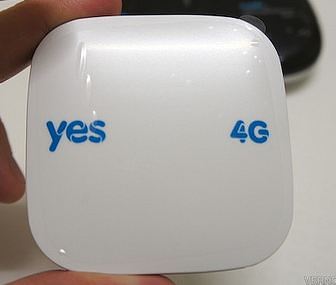


The arrival of 4G technology in many parts of the world including the US, UK, and the rest of Europe promises to be a game changer for the mobile PC market and productivity. So what actually is it? In this article, we’ll take a look at the technology behind the marketing, and explain why it’s in a completely different ball game to its predecessor, 3G.
The Semantics of 4G
Most 4G is, technically, not 4G. And were not talking some HSPA+ (Evolved High-Speed Packet Access) halfway house either. The ITU, regulators and overlords of the communications world, have set requirements for 4G at a minimum peak service of 100Mbit/s for mobile services and 1Gbit/s for stationary use. However, theyre happy for current 4G services to masquerade as such, so long as they are significantly better than present 3G offerings and forerunners to the real deal.
Super Fast Speeds
So whats better about 4G? First of all, its the speed. Well finally be seeing mobile connections at roughly three times the current 3G capabilities finally catch up with the snazzy new operating systems that manufacturers have recently released. Manufacturers and consumers alike value speed, and this feature is reflected in the super-fast batch of new tablets, including the new iPad, the Google Nexus 7 and the BlackBerry PlayBook.
Lets take a look, for example, at the new BlackBerry PlayBook 2.0, launched about 6 months back. In this BlackBerry PlayBook review, The Verge notes its OS is faster, and its not the only reviewer to have noticed. There are other BlackBerry PlayBook reviews that highlight the defining feature of the modern mobile OS is its snappiness. Fetching remote data has always been a chore when youre on the go, and this drags down the whole mobile experience. But 4G could soon have your Facebook app feeling as if it is loading as fast as your music.
Speed-wise, 3G averages around 2Mbit/s. Even HSPA+, the very speediest of super-fast 3G, pushes out a measly 21Mbit/s download speed at the very best of its capacity. Clever revisions could see a future speed ranging up to a theoretical 672Mbit/s, but 4G theoretically pushes out a reliable 100MBit/s in its low-power mode (known as Category 3).
4G technology uses something called MIMO, which stands for Multiple Input Multiple Output, technology. This means that instead of one antenna establishing only one connection, with only one mast, multiple connections are enabled in a single device. Not only does it make for a faster service, it also lowers the chances of a completely dropped connection. It also means that those traveling at speed (on trains or in cars) will see more robust connections than they did with 3G.
The World at Your Fingertips
So what does all that mean? Faster, more fluid, delivery of data to your mobile device. There are definite benefits to that. Still not convinced that 4G will change the world? Bring it on in the comments below!
Image credit: vernieman on Flickr